
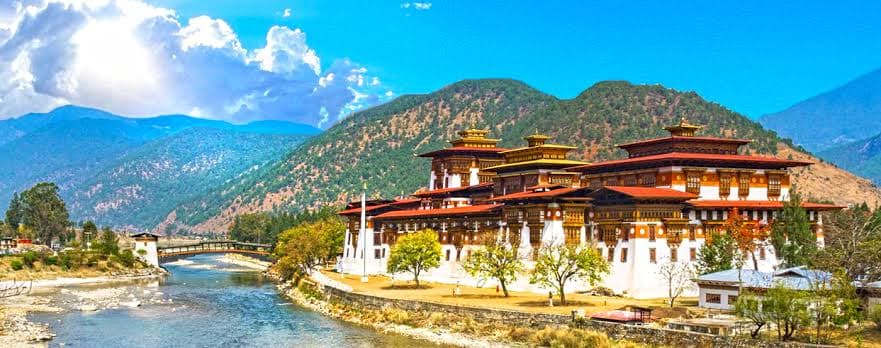
The Himalayan kingdom that rewards travelling slowly
Signature trips
 Hike
Hike Hike
HikeThree Himalayan kingdoms in one seamless route, with Kathmandu, Lhasa and Paro at its heart.
More Bhutan journeys
Experiences you won't find in any guidebook
Moments our specialists hand-place in every private itinerary.
Best time to travel to Bhutan
March to May and September to November offer Bhutan's most comfortable conditions for cultural touring and trekking. Winter is crisp, clear and rewarding at lower elevations, while June to August brings lush landscapes and monsoon showers.
Trip information
The practical detail, in plain terms. Ask us anything that is not covered here.
Visa & entry
Most international visitors need a visa approved before travelling; Indian guests require a permit, while Bangladeshi and Maldivian guests follow a separate visa process. The standard Sustainable Development Fee is US$100 per adult per night, plus a one-off US$40 visa fee. We manage the application and supporting details with your itinerary.
Altitude & fitness
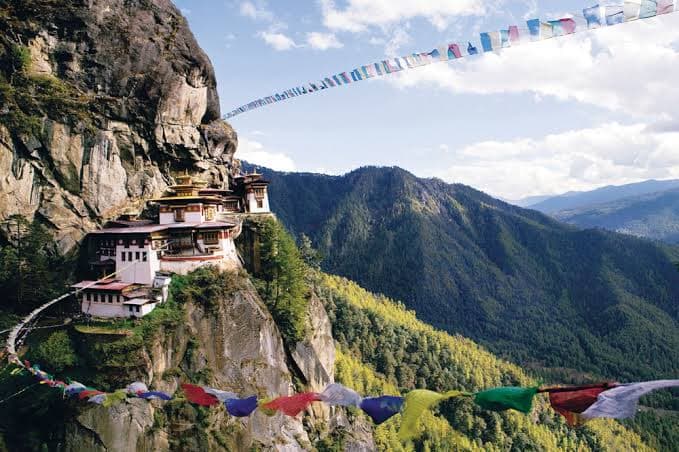
The hike to Tiger's Nest climbs roughly 900 metres and reaches about 3,000 metres above sea level. Most cultural journeys need moderate fitness, while high-altitude treks can cross passes above 5,000 metres. We plan sensible pacing, acclimatisation and suitable alternatives for every guest.
Health
Bhutan does not require a yellow-fever vaccination certificate for entry, but routine vaccinations should be current. Hepatitis A and Typhoid are commonly recommended, with additional advice depending on your route, season and activities. Our guides carry first-aid supplies and we build reliable support into remote journeys.
Currency & tipping
The Bhutanese ngultrum (BTN) is fixed at parity with the Indian rupee. Visa and Mastercard work at banks, ATMs and many urban hotels, but cash is useful in smaller towns and rural valleys. We provide clear tipping guidance for guides, drivers and lodge teams before departure.
What to pack
Bring adaptable layers, comfortable walking shoes, sun protection and a warm jacket for cool mornings and high passes. From June to September, add a dependable rain shell. For dzongs, monasteries and temples, wear respectful clothing that covers shoulders and knees.
“Every lodge was hand-picked, our guide was incredible, and the helicopter return over the icefall is something we will never forget. Truly luxury at altitude.”James & Sarah M. · London · Luxury Everest Base Camp Trek